by Priscilla Korha
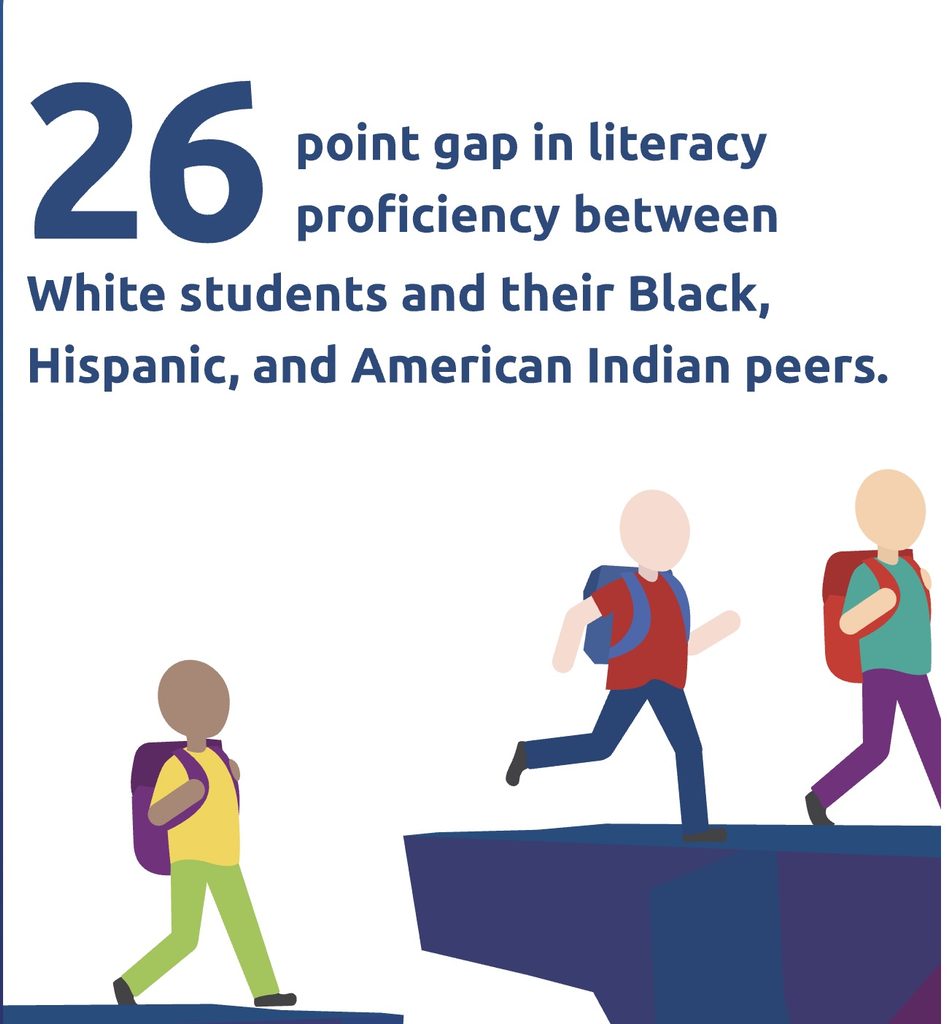
American children’s reading skills have continued a multiyear slide. The latest National Assessment of Educational Progress (NAEP), often called the Nation’s Report Card, found that only 31% of fourth-graders and 30% of eighth-graders scored at or above the proficient level in reading in 2024. Average scores fell two points at both grades from 2022, and 40% of fourth-graders scored below the basic level, the largest share since 2002.
A crisis that is not new
The problem is not new. Reading performance was declining before the COVID-19 pandemic, but it has become far more visible since. International assessments also show American children trailing their peers in a number of other countries.
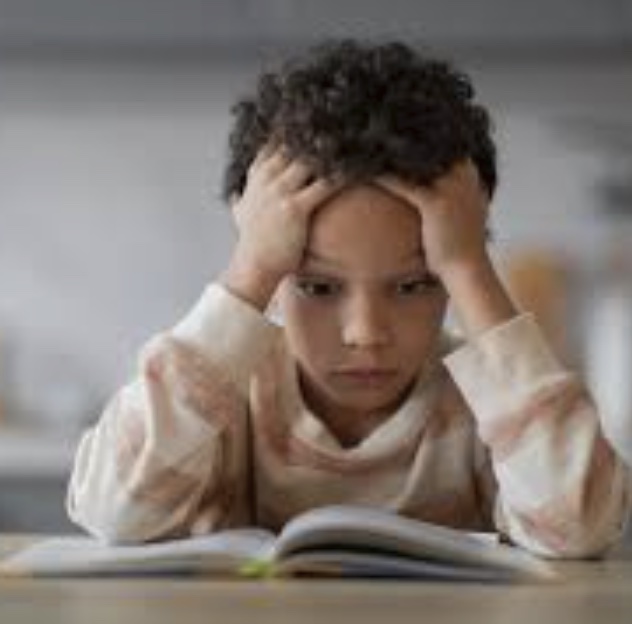
Classroom teachers see the effects every day. One third-grade teacher recently listed skills that many of her students cannot manage, even though they are well within their age range: reading an analog clock, writing in cursive, counting coins, tying their shoes, recalling their home address, a parent’s phone number or even their year of birth, using a dictionary and following multi-step instructions. The rise of technology has made some of these skills seem less urgent, but it is also eroding comprehension.
Kids lack basic math and reading skills
Not every country faces the same literacy problems. Globally, more children are attending school than ever before, yet UNICEF data shows that a large number still lack basic reading and math skills. The United States is far from the worst off, but its decline stands out for a wealthy nation with a long history of public education.
UNICEF data shows that a large number of children still lack basic reading and math skills.
Why reading is slipping
Several factors have contributed to the decline, including technology, social media, the pandemic, chronic absenteeism and mental health challenges. Together, these and other pressures create an environment in which reading and comprehension are no longer a priority. The rise of artificial intelligence adds another layer: computers can now seemingly stand in for the very skills students need to develop for themselves.
Beyond the report card
As adults, weak readers will find it harder to land good jobs, evaluate complex situations and make informed choices about voting and candidates. Poor literacy also leaves people more vulnerable to taking in and spreading misinformation.
Author’s note: As the nation’s literacy crisis draws more attention, the hope is that more focus will turn toward helping American children. Stronger early instruction in phonics and comprehension, continued literacy support through middle school and encouragement to read at home can help reverse the trend.