by Priscilla Korha
OCEAN SPRINGS, Miss. — The death of 18-year-old Nolan Xavier Wells, whose body was recovered July 6, 2026, on the shore of Horn Island after he vanished during a Fourth of July outing with friends, continues to raise questions about investigative transparency, digital evidence handling and public trust in Mississippi authorities.

Wells, a Black college football player from Ocean Springs who was preparing to return to Southwest Mississippi Community College, traveled by boat to the uninhabited barrier island about 10 miles off the Gulf Coast on July 4 with a group of friends.
The island drew roughly 200 visitors that day. Friends later said Wells stayed behind to talk with others after their vessel developed mechanical problems and began taking on water. His body was found face down in the water two days later by a National Park Service ranger and identified through dental records. Initial statements from Jackson County officials indicated no obvious signs of foul play.
Both the state medical examiner’s autopsy and an independent examination commissioned by the family concluded the cause and manner of death were undetermined. The reports noted contusions on the back of Wells’ head and the absence of water or debris in his lungs, airway, throat and stomach. Toxicology findings included the presence of ethanol.
A Jackson County grand jury that reviewed testimony from dozens of witnesses along with physical and digital evidence declined in September to return indictments. The panel found no credible evidence of criminal conduct or racial motivation and stated that the position, condition and location of the body were consistent with drowning.
Family Seeks Answers Over Cellphone Evidence in Nolan Investigation
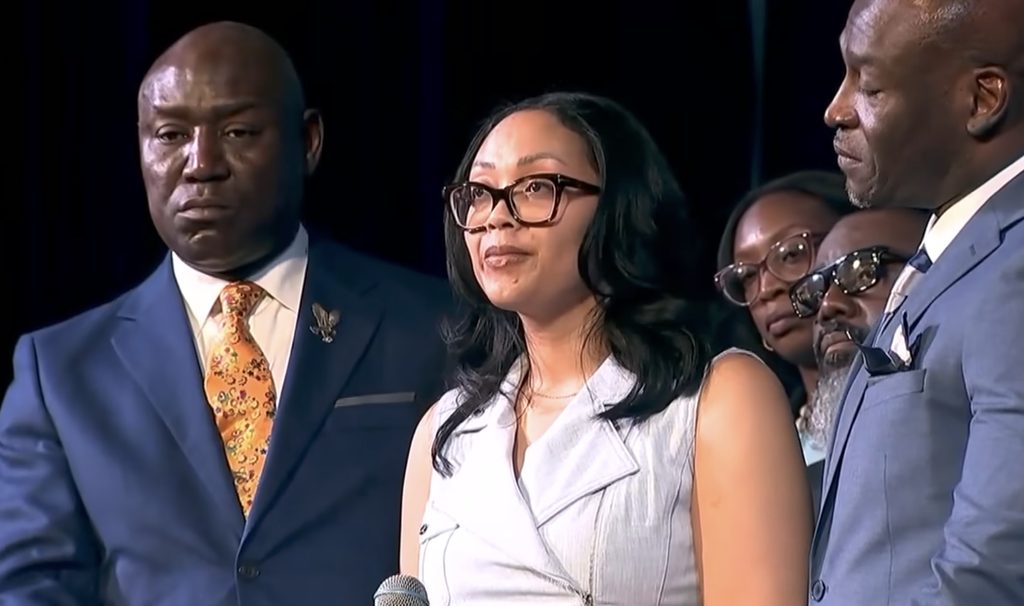
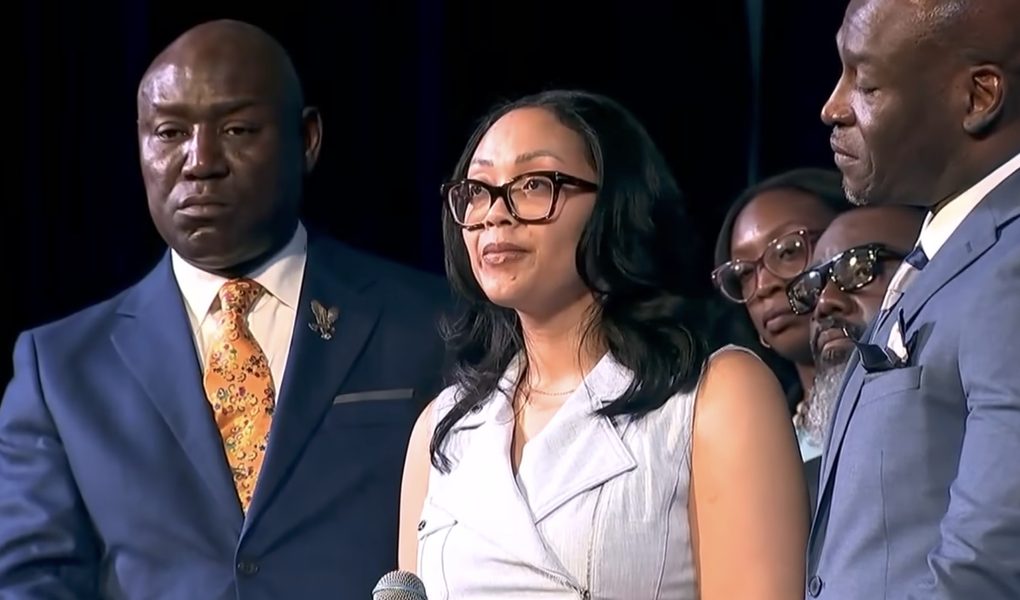
More than seven months after Nolan’s disappearance, his family continues to raise concerns about the investigation, calling for greater transparency and a closer examination of evidence surrounding his cellphone.
Family attorneys, including prominent civil rights attorney Ben Crump, have pointed to a private forensic analysis of Nolan’s cellphone, which reportedly revealed that certain data, including social media messages, appeared to have been deleted after his last recorded interaction with the device.
The forensic examination also reportedly recovered messages exchanged between friends who were present on the island that day, raising additional questions about the circumstances surrounding Nolan’s final hours.
GPS records reportedly indicated that the cellphone remained aboard the boat before eventually being discovered at the home of one of the individuals who had been with Nolan earlier that day.The family has also questioned investigators’ handling of that individual, particularly after he allegedly provided conflicting accounts about the whereabouts of Nolan’s phone. He initially claimed the device had been lost, despite it later being found in his possession.
To date, investigators have not publicly provided a detailed explanation for their decision not to pursue further action regarding the discrepancy. As the investigation continues to face scrutiny, Nolan’s family is urging authorities to revisit unanswered questions, examine the cellphone evidence more thoroughly, and provide a clearer account of the investigative decisions made. For the family, the central concern remains accountability, transparency, and ensuring that every available piece of evidence is properly examined in the pursuit of answers.
The case has drawn national attention amid Mississippi’s history of racial tension and skepticism toward local law enforcement.
Civil rights advocates and high-profile supporters have amplified the family’s questions, while officials maintain the probe was thorough. Legally, the undetermined cause of death and the grand jury’s decision leave limited paths for criminal charges without new evidence, though the episode has highlighted ongoing challenges in building community confidence when official findings leave key questions unresolved and competing narratives spread rapidly online.